
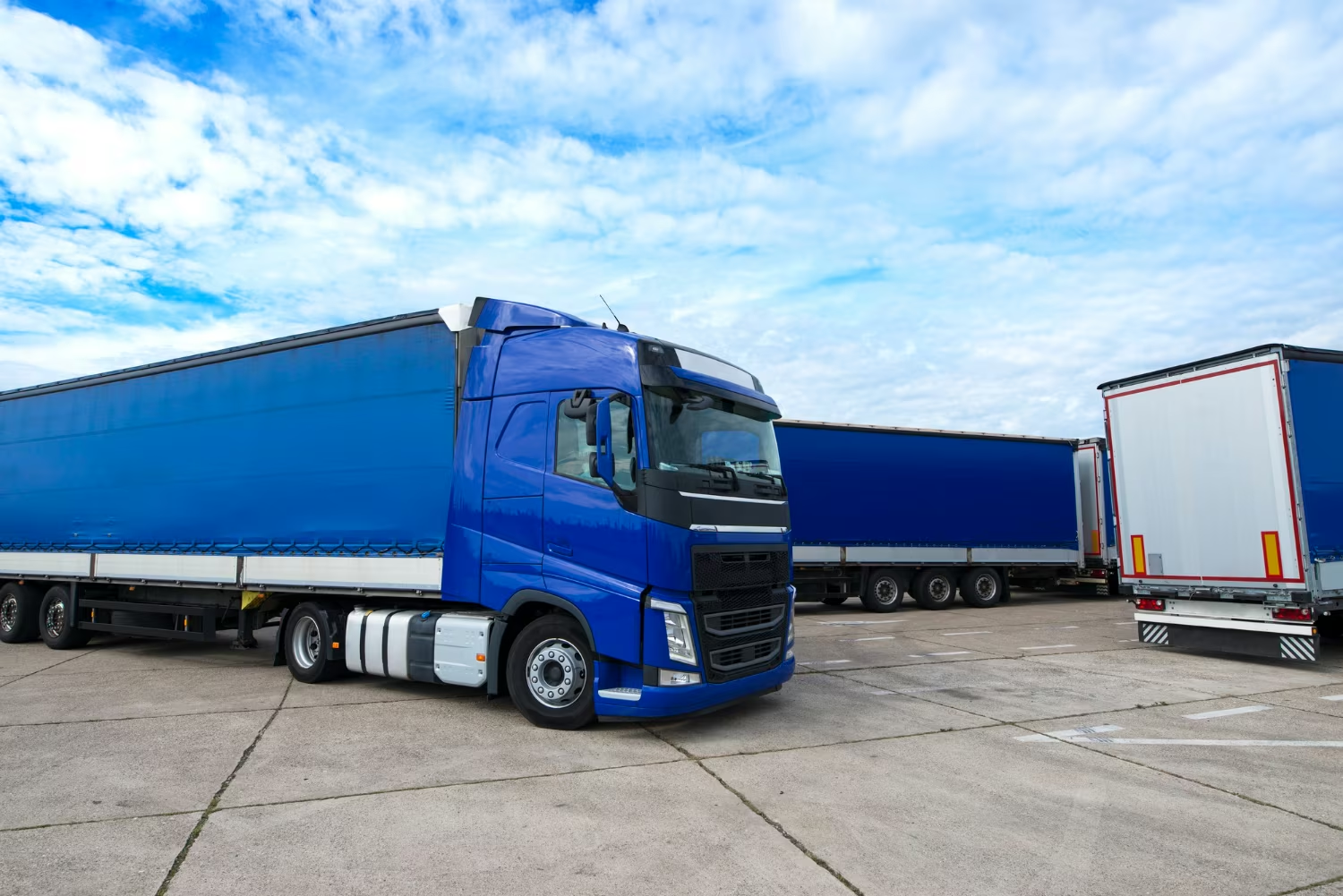
In addition to the crisis caused in 2020 by the COVID-19 pandemic, road transport companies must adapt to new rules. That means they will have to implement a series of measures for organizing their operations, as well as drivers' work and rest periods.
All these factors have a major impact on companies in this sector, making survival in the market a huge challenge. In this situation, factoring services can be the solution for many of these companies.
What does the transport sector look like in 2021?
Amid a fairly severe crisis and new changes affecting how transport companies operate, many of them are facing serious financial problems, with some already in insolvency or close to bankruptcy.
According to transport industry associations, the main problems carriers face are:
- the quarantine of professional drivers returning from countries with a high risk of infection;
- the crisis in the motor third-party liability insurance market;
- per diem allowances for drivers in the international transport sector, which must be treated as wage income;
- the requirement to pay transportation companies' taxes and social contributions retroactively for the past five years.
All these situations and tax decisions, together with the restrictions caused by the pandemic, have hit this sector hard, even though it is one of the largest in Romania's business landscape. Another issue these companies face is workers leaving for jobs abroad, which could deepen Romania's overall labor shortage.
What financial solutions are available for transport companies?
In the current context, national financing programs, state aid, and subsidies have not targeted the transport sector, even though it was one of the hardest hit by the pandemic. This is also visible in the effort carriers are making to stay afloat in such a competitive market.
Therefore, one solution that can help them get back on track and avoid bankruptcy is to turn to a source of financing. However, access to financing is often influenced by certain factors, which is why carriers turn to factoring.
What do factoring services involve?
Factoring is a business financing method based on selling receivables arising from services provided or goods delivered. The transaction involves selling invoices to a specialized company, such as Instant Factoring. It offers immediate payment for those invoices in exchange for a fee.
This process involves three parties: the debtor (the one who received the goods or services), the client (the service provider or seller of the products), and the factor (the financier).
This financing solution helps improve cash flow and provides the capital needed to keep the business running. On top of that, managers can focus on growth strategies without worrying about when invoices will be collected.
Factoring financing depends on certain criteria, set for each contract according to the commercial relationship with each partner. These criteria include:
- the seasonality of the business;
- estimated sales to the partner;
- the project schedule, as well as the invoicing of execution contracts;
- the actual payment term.
How does a factoring contract work?
The principle behind this factoring service is simple: invoices sold by the client are paid by the factor, meaning the factoring company, which will collect the amount due on the due date.
The factoring fee is simply the amount the client pays for factoring services. Therefore, the steps in this financing process are as follows:
- the factoring transaction is agreed upon by the client and the factoring company;
- after that, the services or products are delivered by the client to its customer, that is, the debtor, based on the contract concluded between the two parties, with the stipulation that payment of the invoice must be made to the factor;
- the invoices for the services or products are submitted in accordance with the contract concluded with the factoring company;
- the factor will pay the amount due on these invoices to the client, in accordance with the terms set out in the contract;
- the debtor will pay the invoices to the factoring company.
Factoring helps carriers access capital that would otherwise be tied up in invoices until they are paid. It does not affect the client's customers in any way, since they make the payment to the factor.
Even so, customers may view this arrangement with suspicion. The main reason is concern that the company is not doing very well. That is why open communication with customers is essential. You need to make it clear that factoring is a form of financing and a sign that your business is doing well.
What are the advantages of factoring for transport companies?
Besides being a very simple way to finance your business and remove the stress of collecting invoices, factoring also offers other advantages for transport companies that choose this service:
- the higher the sales, the higher the receivables, and the higher the financing;
- the client receives an advance on invoices issued to customers, even before the due date;
- thanks to this service, the company's customers can benefit from perks such as longer payment terms;
- no collateral is required;
- companies can continue operating without worry because they have enough funds to cover current expenses (fuel, salaries, repair services, etc.);
- companies can expand their operations by taking on more orders;
- receivables are managed through the factor, so staffing costs are lower.
Conclusions
Factoring is becoming an increasingly popular financing option. That is why Instant Factoring offers valuable services and efficient processes that improve the overall experience for transport companies. See for yourself the benefits of factoring, no matter what industry you're in.
Turn an issued invoice into cash in 24h.
You focus on your business, we support your cash flow. Collect cash from your issued invoices instantly, without waiting 30, 60, 90, or 120 days until the payment term.
Table of contents

.png)
.png)